
African Court Coalition Successfully Organized Capacity-Building Workshops in Ghana on the Domestic Implementation of Decisions of the African Court
African Court Coalition2026-11-02T18:10:31+03:00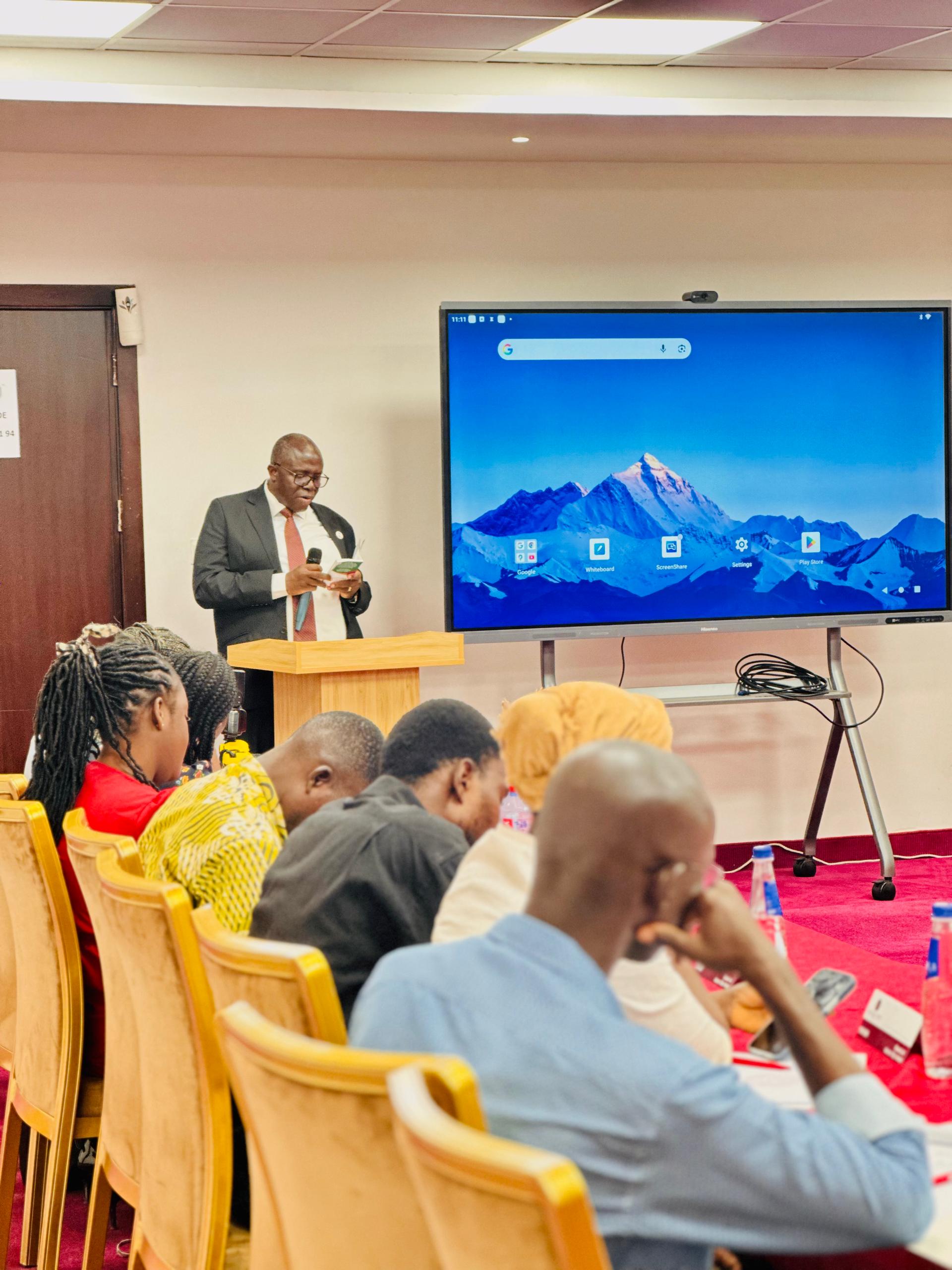
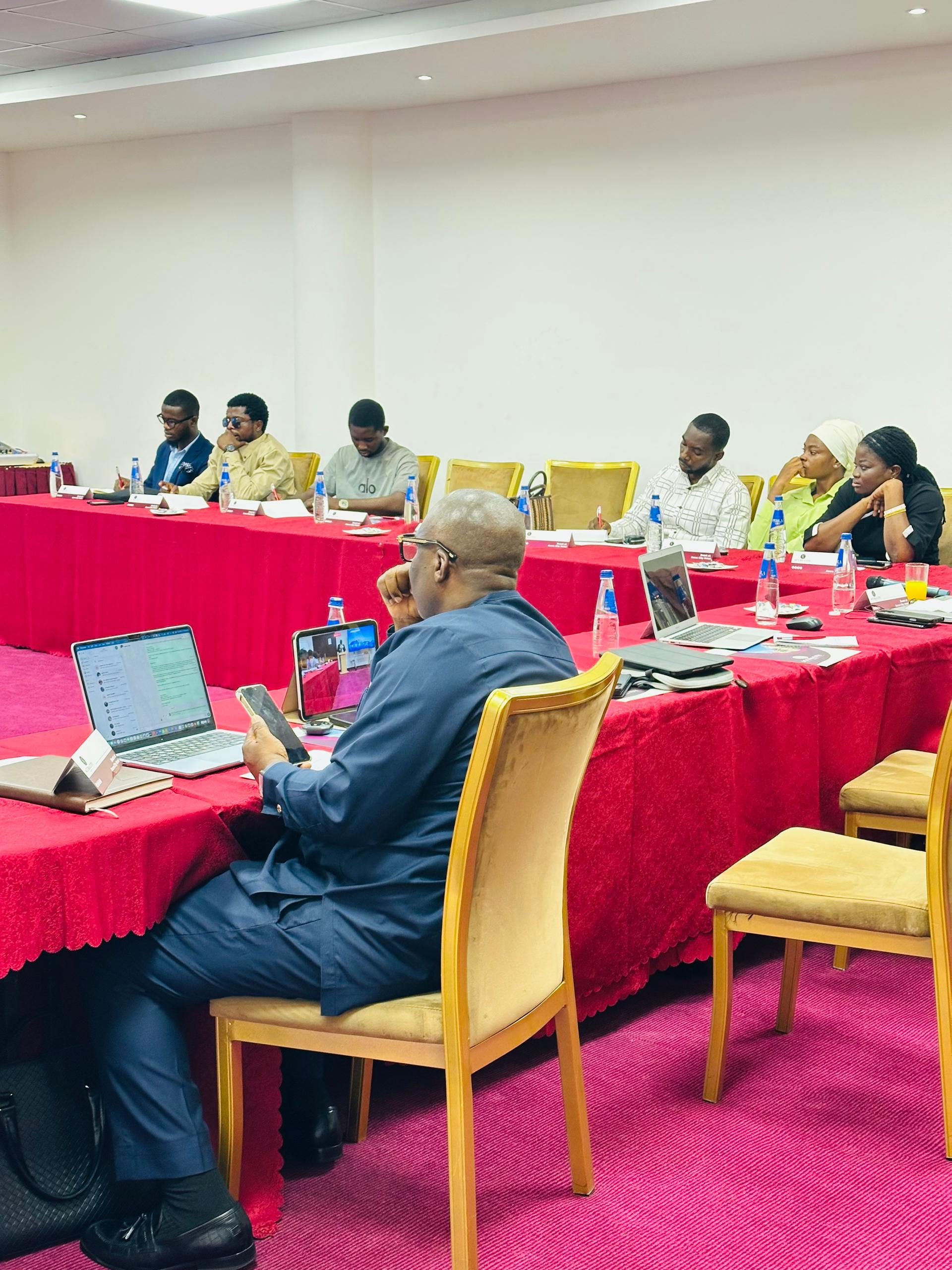
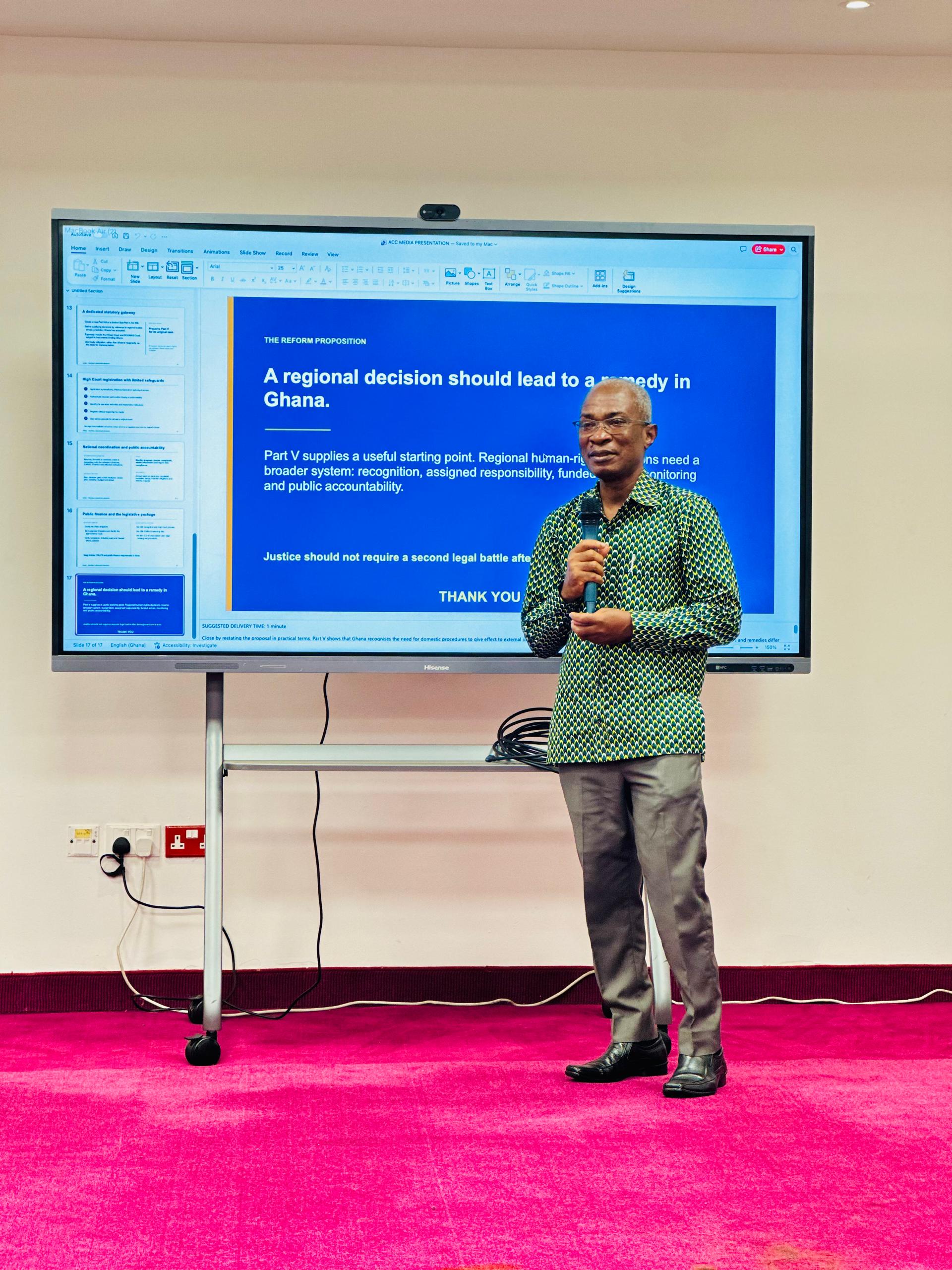
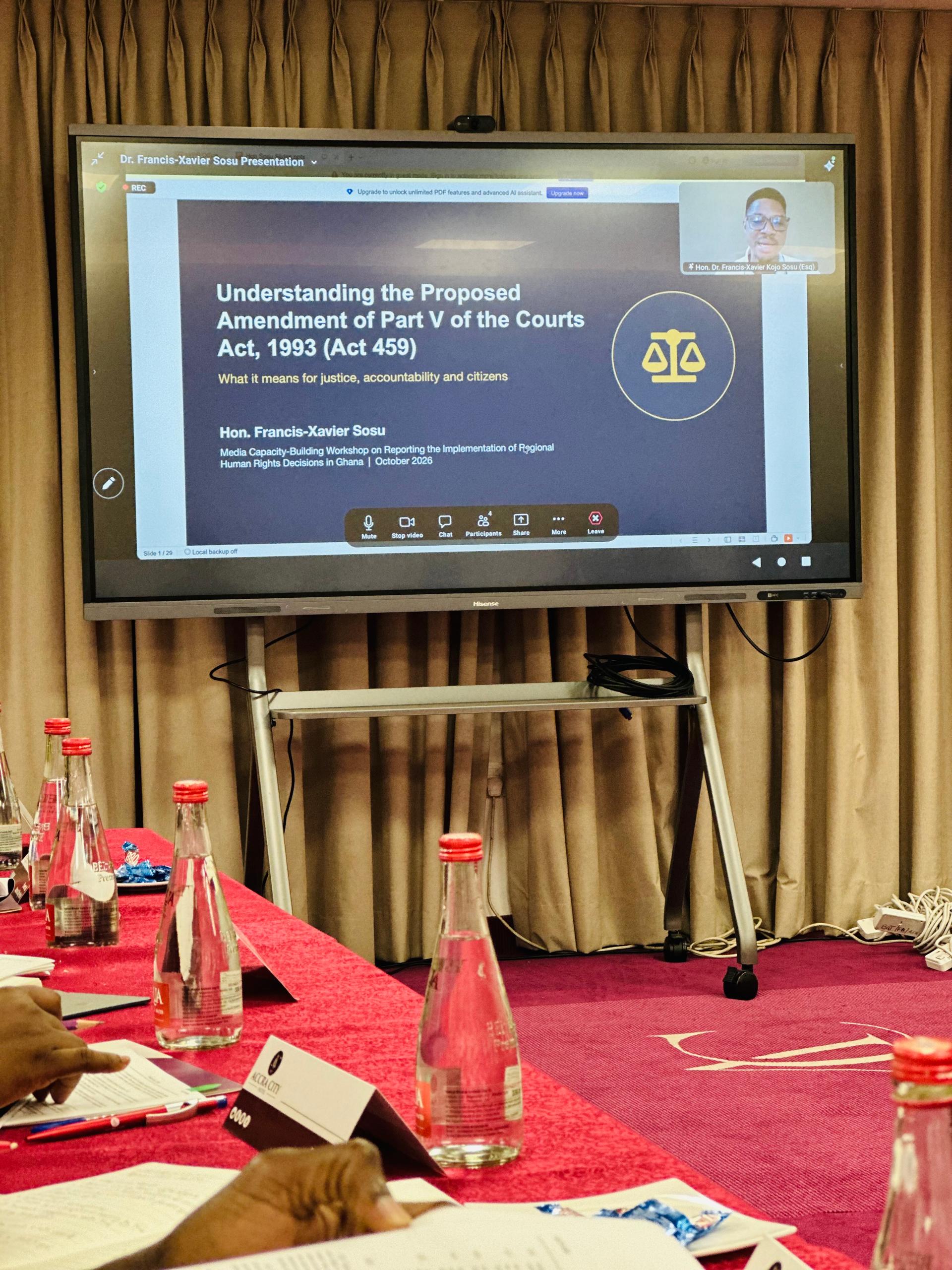
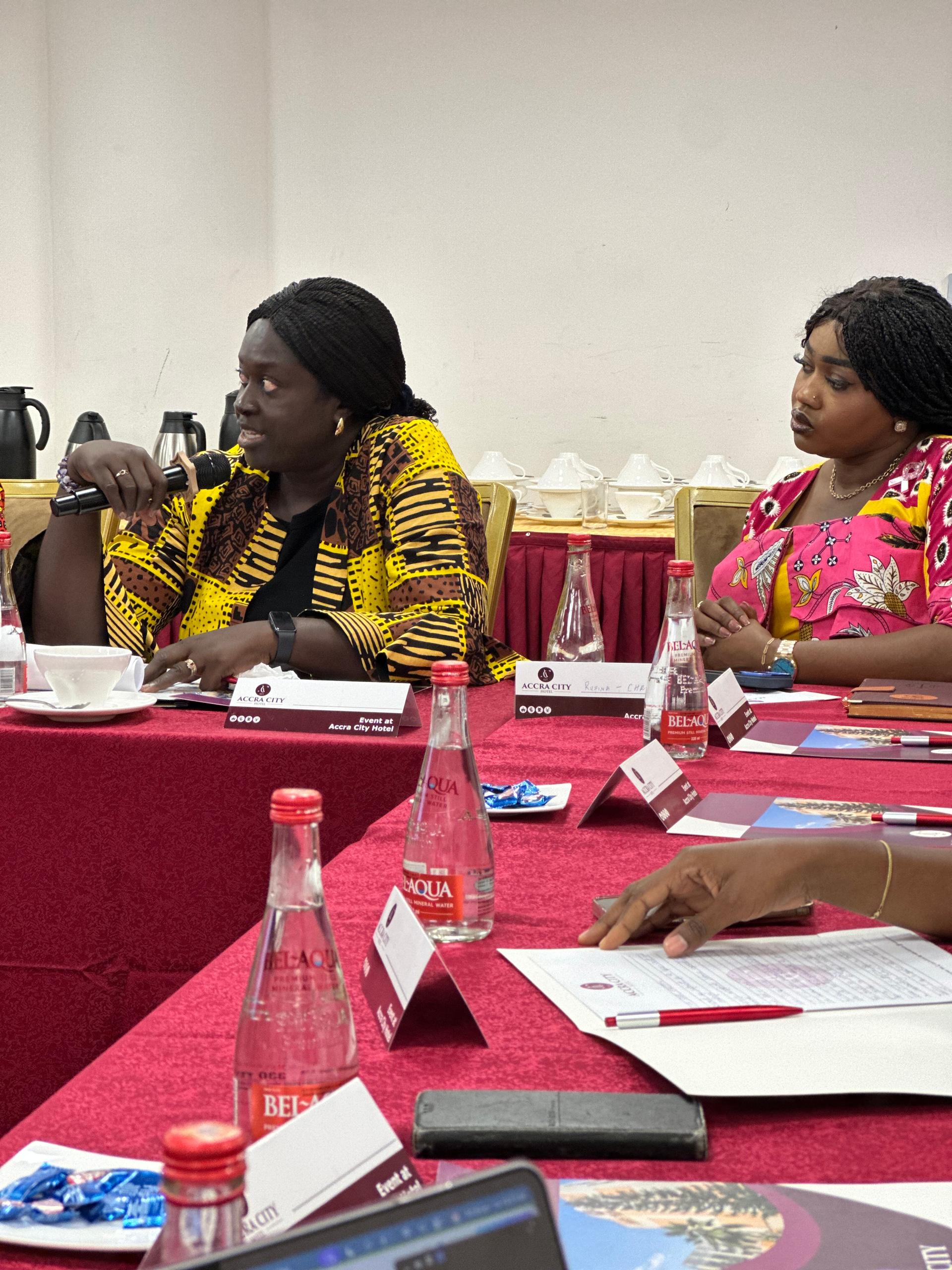
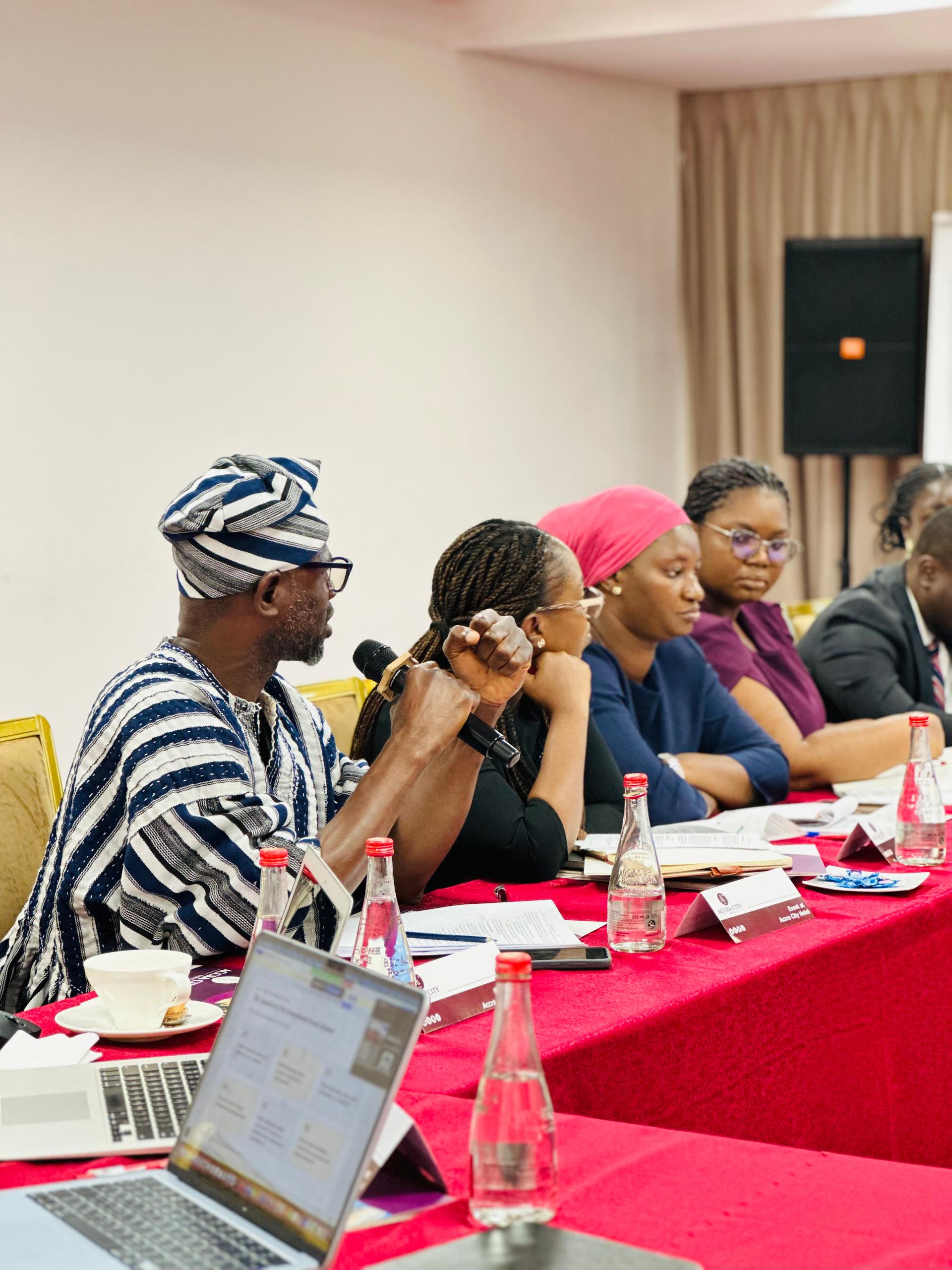
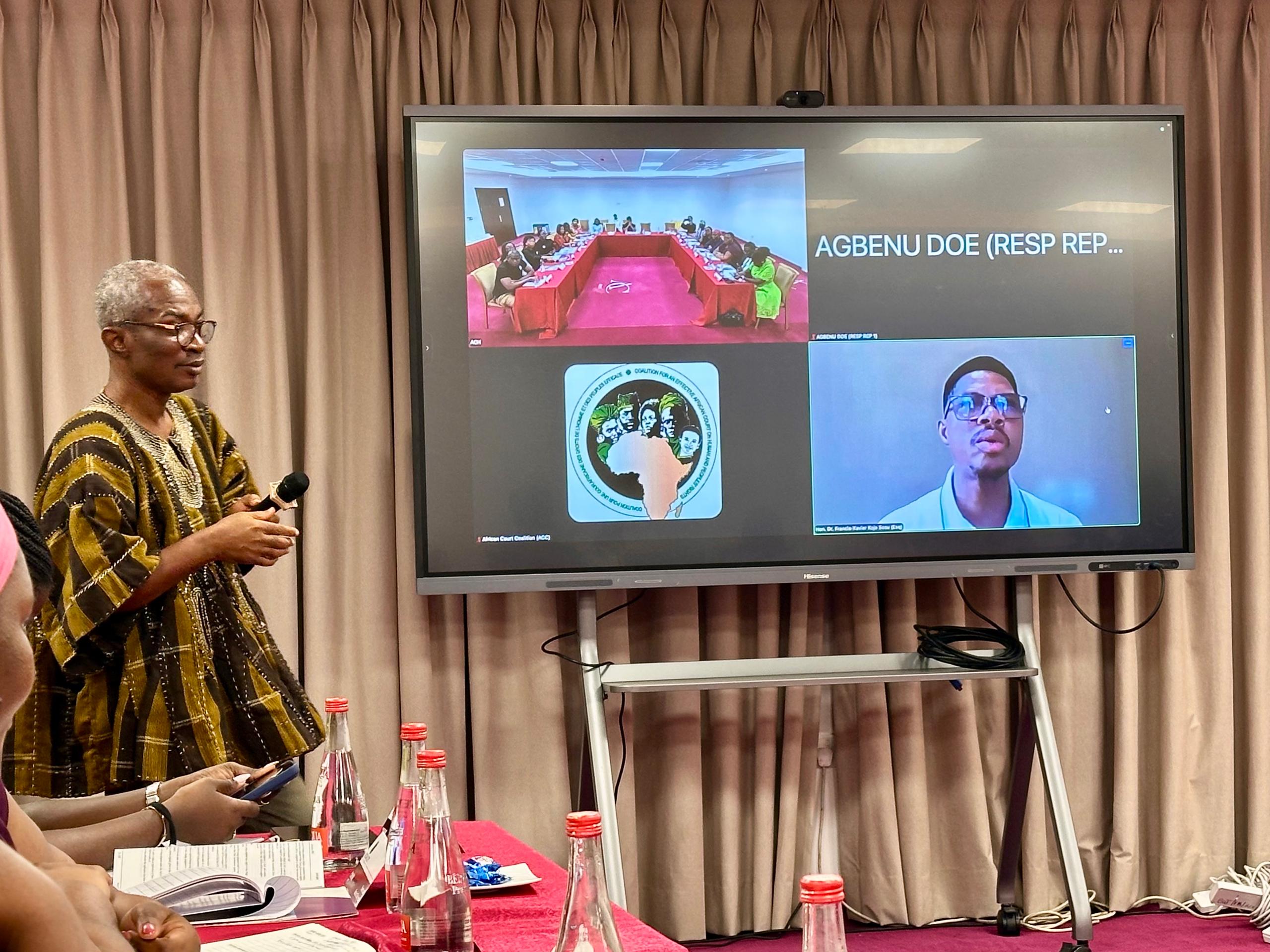
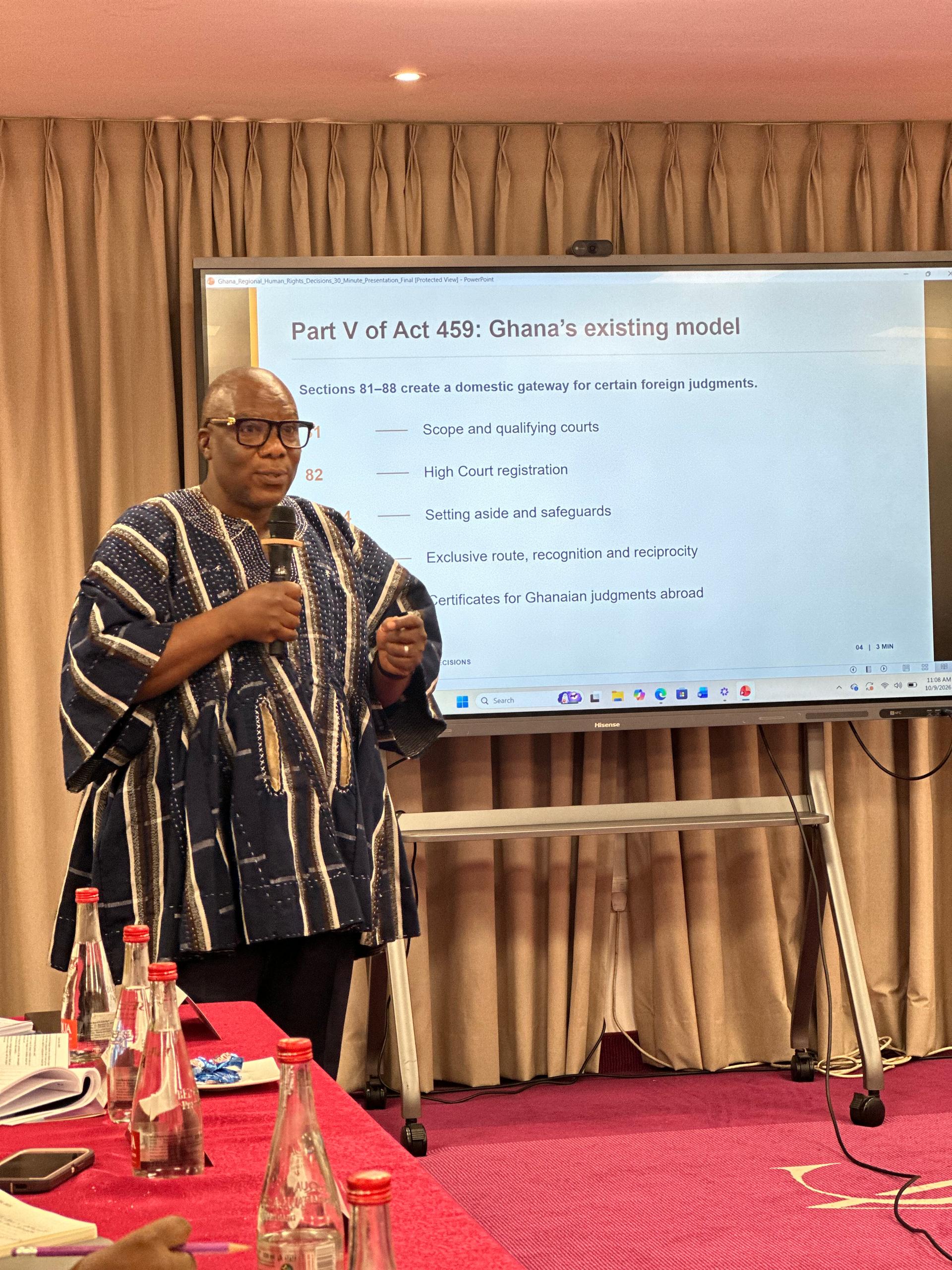
8–9 October 2026 – Accra, Ghana
The African Court Coalition (ACC), in collaboration with its Ghana National Focal Point and national partners, successfully convened two complementary capacity-building workshops in Accra, Ghana, on 8 and 9 October 2026. The workshops formed part of ACC’s ongoing advocacy initiative aimed at strengthening Ghana’s domestic legal and institutional framework for the recognition and enforcement of decisions of regional human rights mechanisms, particularly the African Court on Human and Peoples’ Rights and the ECOWAS Court of Justice.
The two activities targeted distinct but interconnected stakeholder groups: journalists and media practitioners, and officials from the Drafting Department of the Office of the Attorney General and Ministry of Justice. Together, the workshops sought to strengthen public awareness, improve institutional understanding and build support for legislative reforms necessary to facilitate the effective domestic implementation of regional human rights decisions.
Media capacity building workshop: 8 October 2026
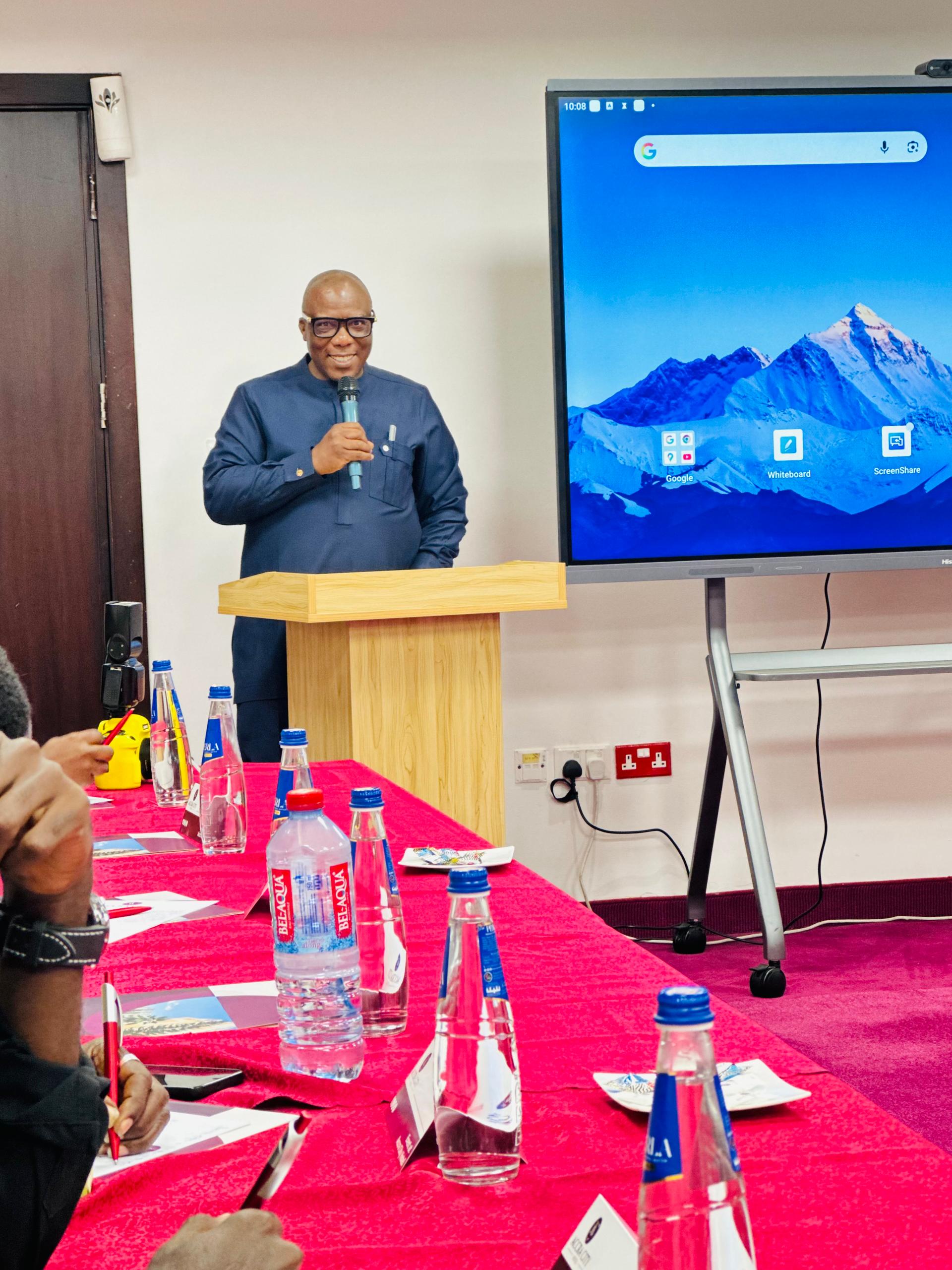
The first workshop, held on 8 October 2026, focused on enhancing media capacity and public awareness on the implementation of decisions of the African Court on Human and Peoples’ Rights.
The workshop brought together 20 journalists and media practitioners, legal experts and representatives of the African Court Coalition to examine the role of regional human rights courts, Ghana’s obligations under the African human rights system, and the importance of ensuring that regional judicial decisions translate into tangible remedies at the national level.
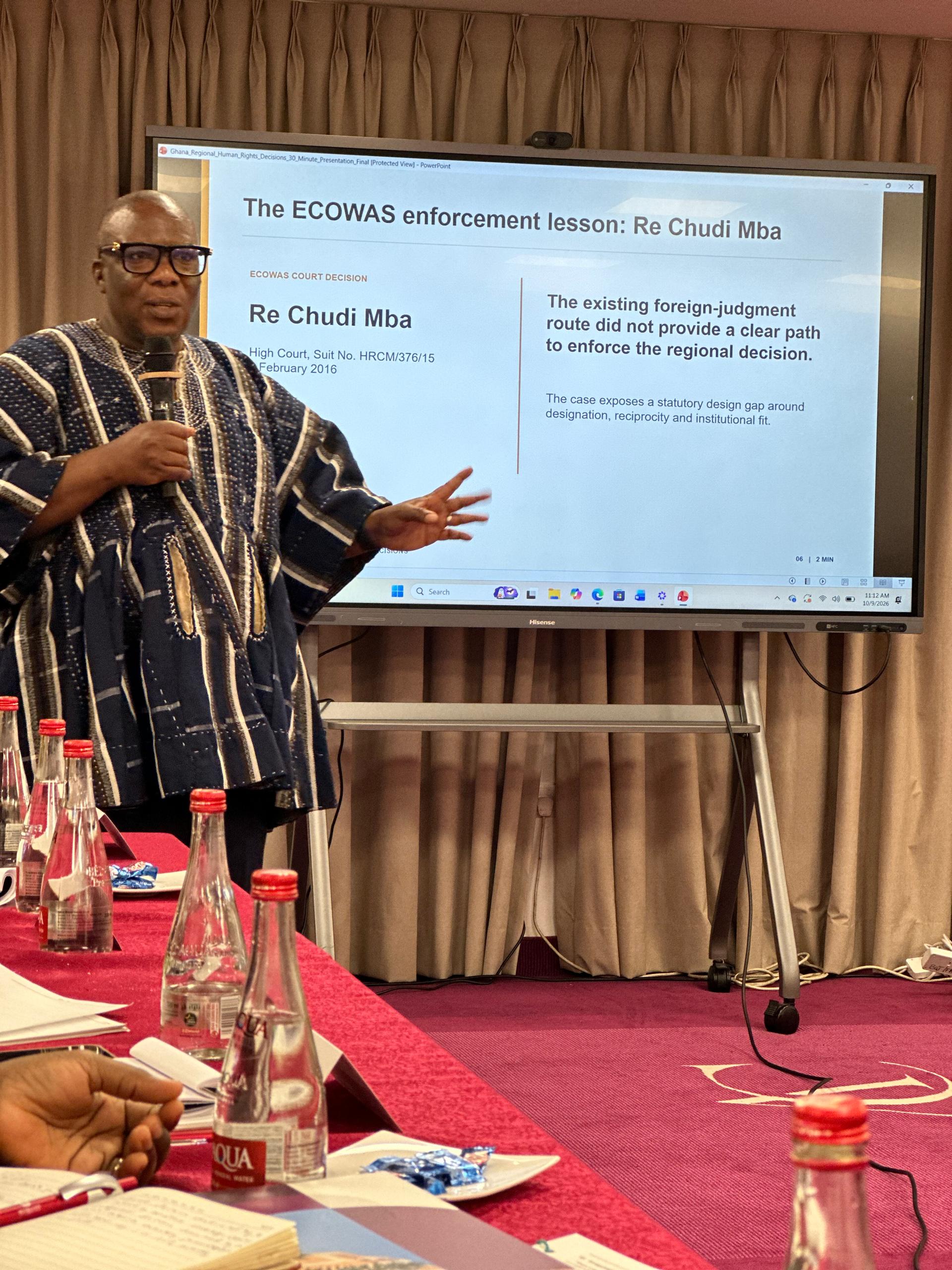
A key presentation by Sir Justice Dennis Dominic Adjei, Judge of the African Court on Human and Peoples’ Rights and Judge of the Supreme Court of Ghana, examined the African Court’s jurisdiction, access mechanisms and persistent challenges affecting the implementation of its decisions across the continent. He highlighted the distinction between ratification of the Protocol establishing the African Court and the separate declaration required under Article 34(6) to enable individuals and eligible NGOs to access the Court directly. He also underscored the enforcement deficit facing the regional human rights system, noting that the effectiveness of the Court ultimately depends on States taking the necessary measures to implement its judgments and orders domestically.
The discussions further examined Ghana’s existing legal framework and the gaps affecting the domestic implementation of regional human rights decisions. Participants were introduced to the proposed amendment of Part V of the Courts Act, 1993 (Act 459), which seeks to facilitate the recognition and enforcement of decisions of regional human rights tribunals within Ghana’s legal system.
A dedicated session on media reporting explored the challenges and opportunities for journalists covering regional human rights decisions, including the importance of accurate legal reporting, accessible communication of judicial decisions and sustained public engagement on accountability and access to justice.
The workshop reinforced the importance of the media as a strategic partner in ACC’s advocacy efforts. By improving journalists’ understanding of regional human rights mechanisms and the implications of their decisions, the initiative seeks to increase the visibility of the African Court, stimulate informed public debate and strengthen public support for the proposed legislative reforms.
Capacity building training workshop for the Drafting Department of the Office of the Attorney General: 9 October 2026
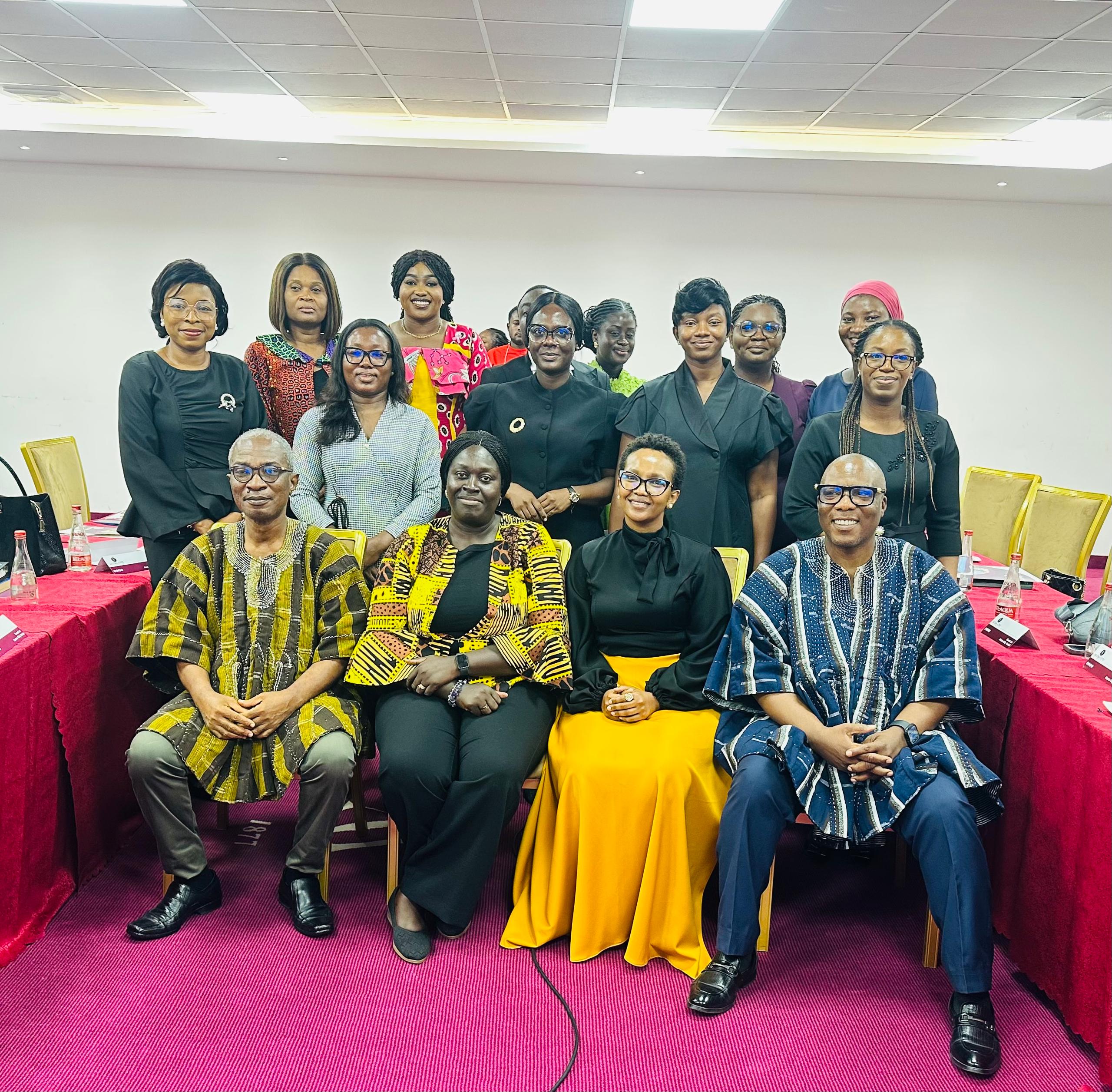
The second workshop, held on 9 October 2026, was a targeted technical engagement with the Drafting Department of the Office of the Attorney General and Ministry of Justice. It focused on strengthening the domestic implementation of decisions of the African Court on Human and Peoples’ Rights through legislative reform. The 16 workshop participants also included representatives from Ghana Commission on Human Rights and Administrative Justice – CHRAJ, a crucial domestic stakeholder in the process of implementation of regional human rights decisions.
The workshop provided a platform for technical dialogue on Ghana’s existing legal framework governing the recognition and enforcement of foreign judgments, the institutional and procedural gaps affecting the implementation of regional human rights decisions, and possible legislative solutions.
Particular attention was given to the proposed amendment of Part V of the Courts Act, 1993 (Act 459), including the legislative drafting and constitutional considerations relevant to establishing an effective domestic mechanism for the recognition and enforcement of decisions of the African Court and other regional human rights tribunals.
The engagement also provided an opportunity to examine the relationship between Ghana’s regional human rights obligations and its domestic legal framework, as well as the importance of ensuring that any proposed legislative amendments are consistent with the Constitution and capable of practical implementation.
Contributions from regional judicial and human rights experts, including Sir Justice Dennis Dominic Adjei, Hon. Francis-Xavier Sosu, alongside ACC representatives and other resource persons, enriched the technical discussions and provided perspectives on the legal and institutional requirements for strengthening compliance with regional human rights decisions.
The training represented an important step towards building institutional understanding and fostering collaboration with the government institutions responsible for legislative development. It also reinforced ACC’s approach of combining sustained advocacy with targeted technical engagement to advance practical and sustainable legal reforms.
Meeting with Ghana Commission on Human Rights and Administrative Justice
To wrap up the mission, on Monday 12 October 2026, ACC representative Ms. Sophia Ebby and ACC Ghana Focal Point representative Mr. Agbenu Doe met with representatives of the Ghana Commission on Human Rights and Administrative Justice – CHRAJ, Mr. Mawuli Avutor (Director for Public Education) and Mrs. Joy Anima Debrah (Deputy Director, Public Education).
The conversation was around possible collaborations between the African Court Coalition and CHRAJ in the efforts to ensure amendment of the subject law in Ghana to enable institutionalized implementation of regional human rights decisions including decisions of the African Court, as well as general awareness creation about the African Court in Ghana. CHRAJ representatives acknowledged the importance of the initiative and affirmed their openness for future engagements and collaboration with the Coalition.
Key Achievements and Way Forward
The successful implementation of the two workshops represents an important milestone in ACC’s ongoing advocacy initiative in Ghana. The activities achieved several complementary objectives:
- Enhanced stakeholder awareness: Improved understanding of the mandate and importance of the African Court, regional human rights obligations and the need for effective domestic implementation.
- Strengthened media engagement: Increased awareness among journalists of the importance of accurate reporting on regional human rights decisions and their implications for democracy, accountability and access to justice.
- Advanced technical dialogue on legislative reform: Provided an opportunity for engagement with the Office of the Attorney General and CHRAJ on the legal and constitutional considerations surrounding the proposed amendment of Part V of the Courts Act (Act 459).
- Strengthened multi-stakeholder engagement: Reinforced collaboration among ACC, its Ghana National Focal Point, CHRAJ, human rights experts, media practitioners and relevant State institutions towards a common reform objective.
Moving forward, ACC will seek to sustain engagement with the Office of the Attorney General, CHRAJ and other relevant State institutions towards advancing the proposed legislative amendments. Continued engagement with journalists and media organisations will also be important in maintaining public awareness, encouraging informed national dialogue and strengthening accountability for Ghana’s regional human rights obligations.
The successful implementation of the two workshops demonstrates the importance of a multi-stakeholder approach to strengthening the African human rights protection system at the national level. By engaging both the institutions responsible for legislative development and the media responsible for informing the public, ACC has taken further steps towards addressing the legal, institutional and public awareness gaps affecting the domestic implementation of regional human rights decisions in Ghana.
These engagements reaffirm ACC’s commitment to promoting effective implementation of decisions of the African Court through legislative reform, institutional capacity-building and sustained stakeholder engagement. Ultimately, the initiative seeks to ensure that regional human rights decisions are not merely recognised as international obligations but are translated into effective domestic remedies, strengthened accountability and meaningful protection of human rights.
PARTNERS
This initiative is held by the African Court Coalition as part of the activities under the Raoul Wallenberg Institute 2024-2027 Regional Africa Programme (RAP) funded by the Swedish Development Cooperation (SIDA). The RAP Programme focuses on increasing implementation of human rights decisions, judgments, provisional measures, and recommendations from continental and regional bodies in Africa by enhancing national, regional, and continental capacities to monitor and follow up on the decisions.


Deixe um comentário